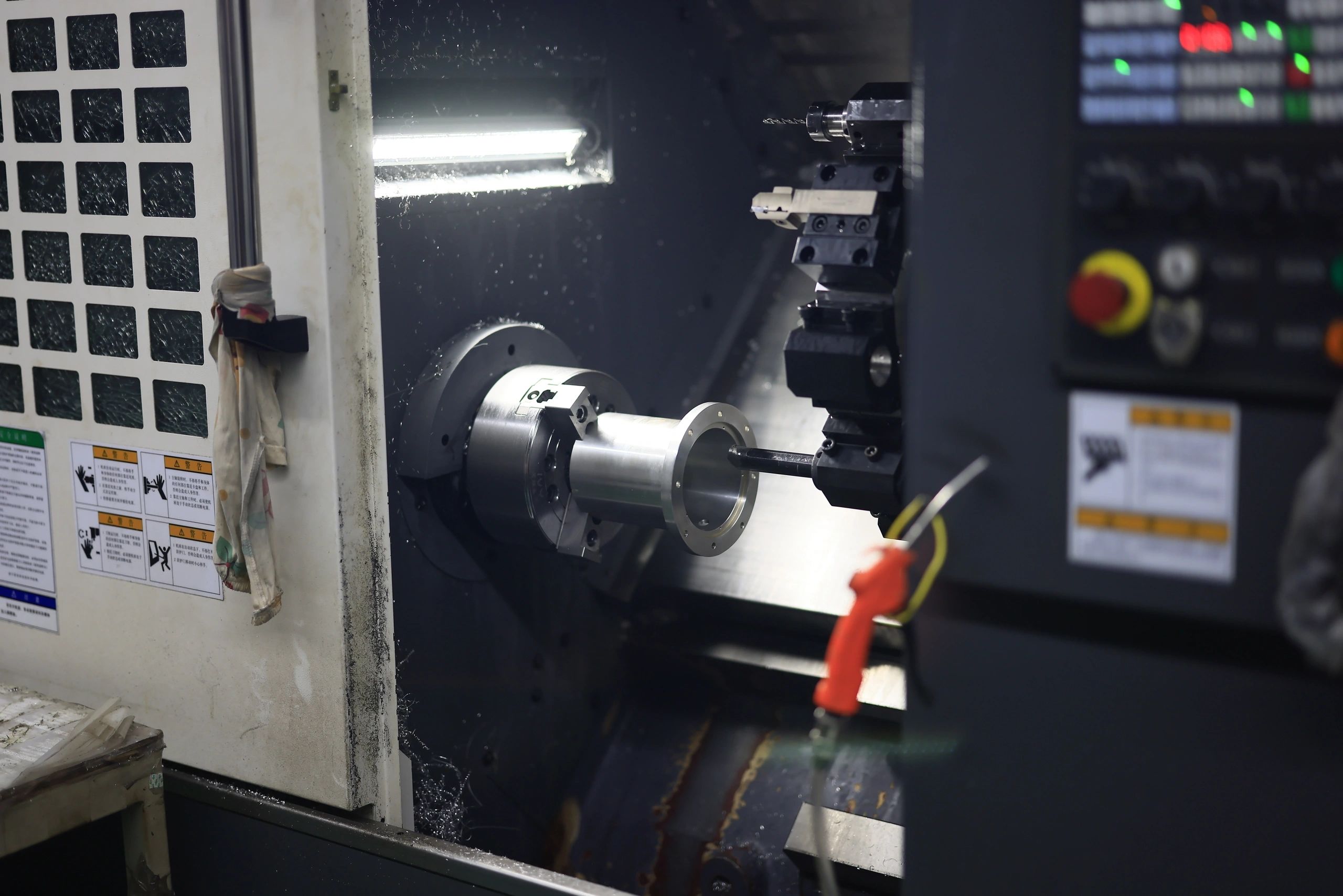
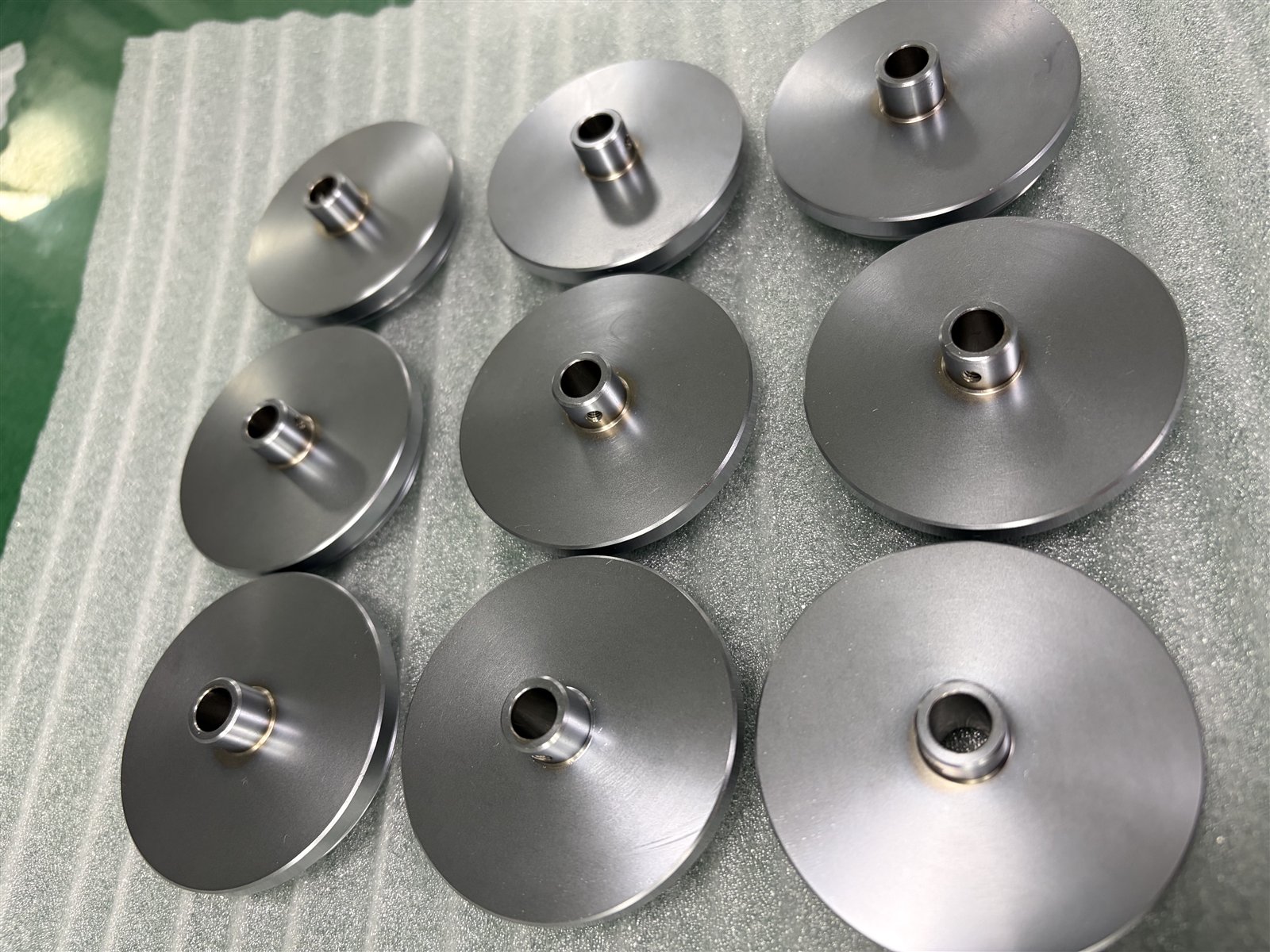
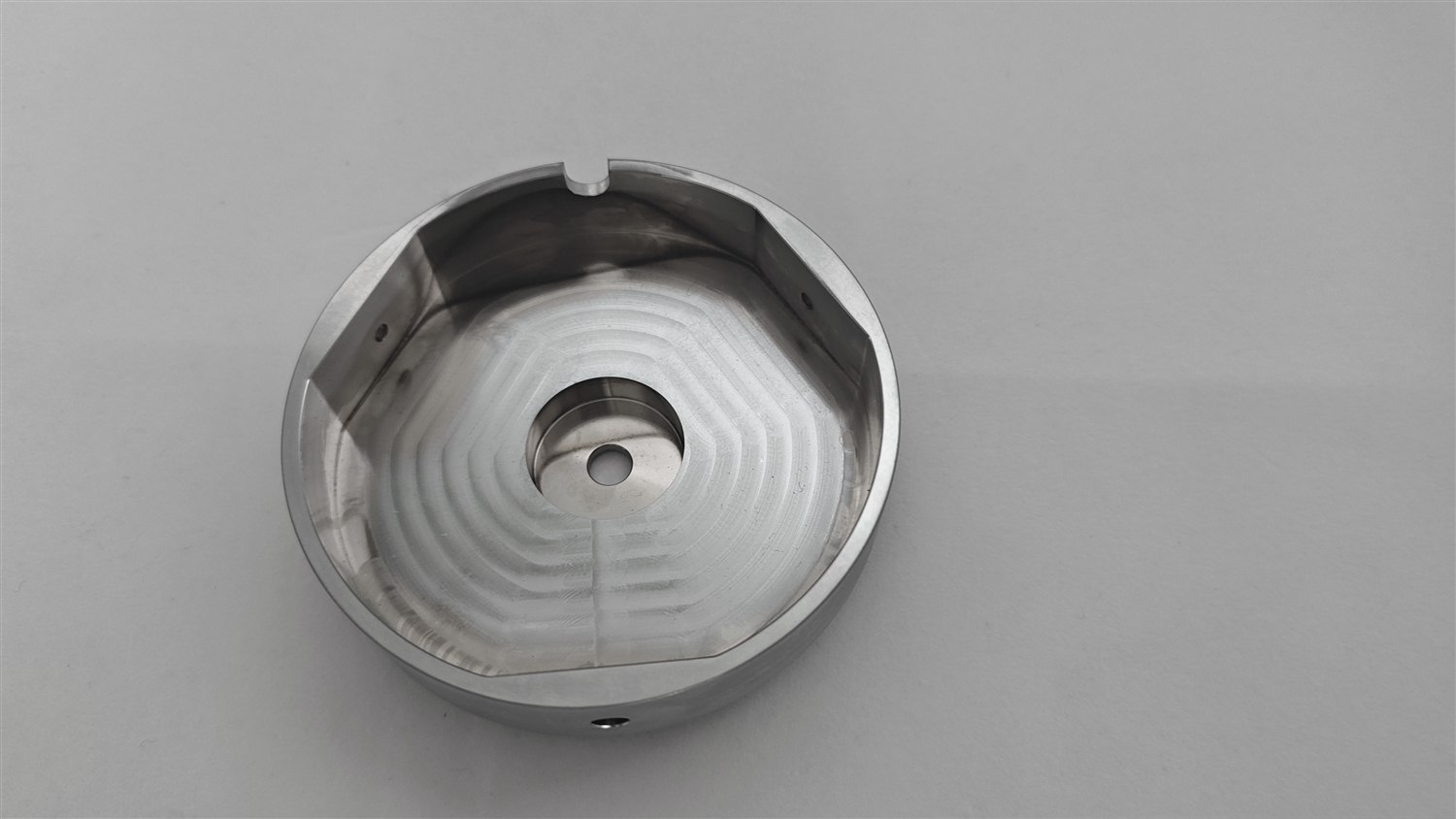
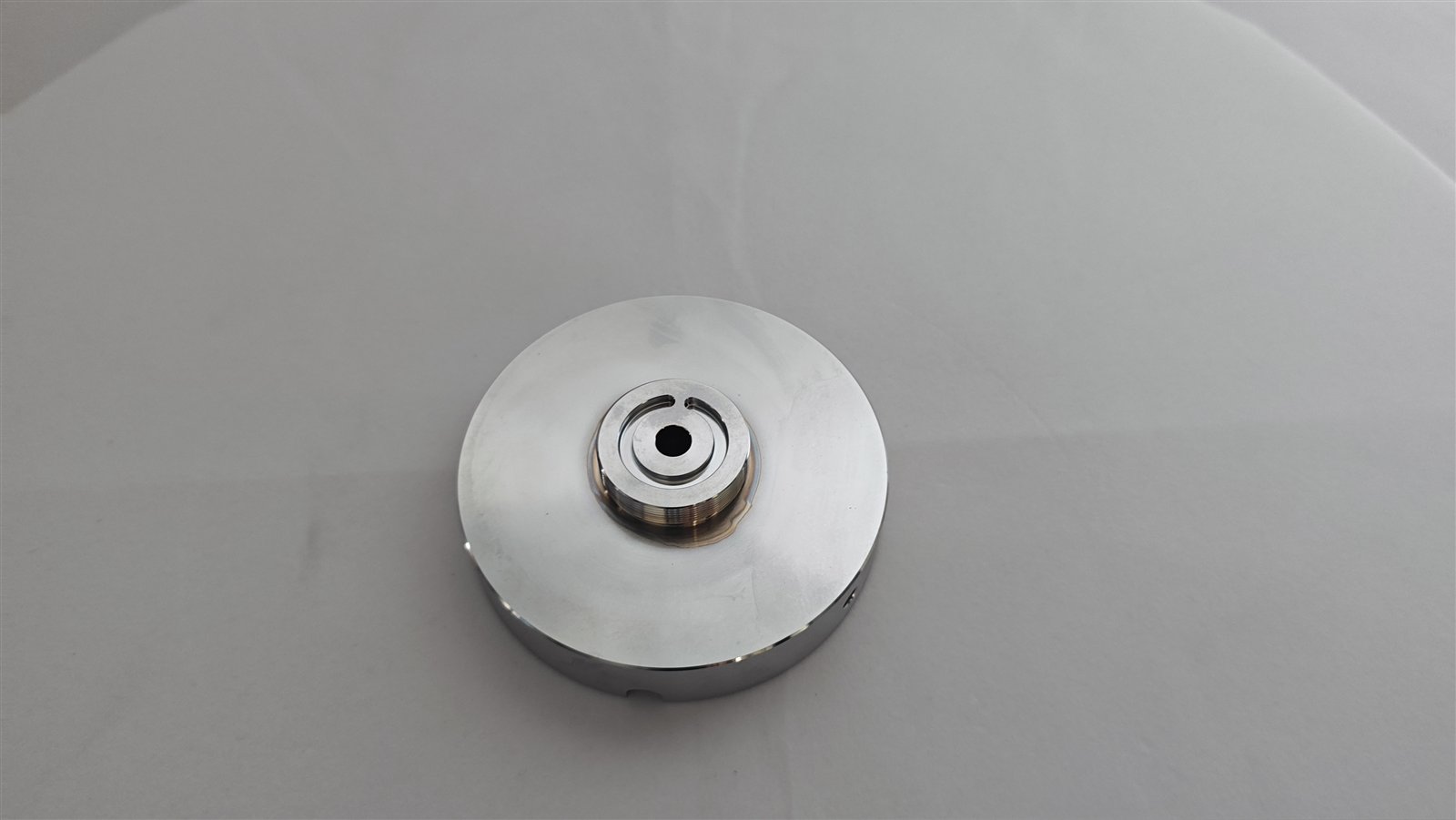
A German customer came to us with a visible, non-structural part designed in 304 stainless steel, chosen purely for its bright, premium appearance. At roughly €120 each, it was expensive to machine and heavy to ship. A DFM review let us re-engineer it in chrome-plated 6061 aluminium that matches the stainless look exactly, cutting the unit cost by about two-thirds.
The brief
The part was cosmetic and carried no structural load. The customer had specified 304 stainless steel for one reason, the look: a bright, cool, premium surface. That surface was the real product requirement. Because the part is exposed in use, corrosion resistance mattered too.
What the DFM review found
Stainless is one of the slowest, most tool-intensive materials to machine, and it is dense, around 8.0 g/cm³. This part, however, required no steel for strength. The genuine requirements were appearance and corrosion resistance, not the material itself, which opened a more cost-effective route to the same result.
What we proposed
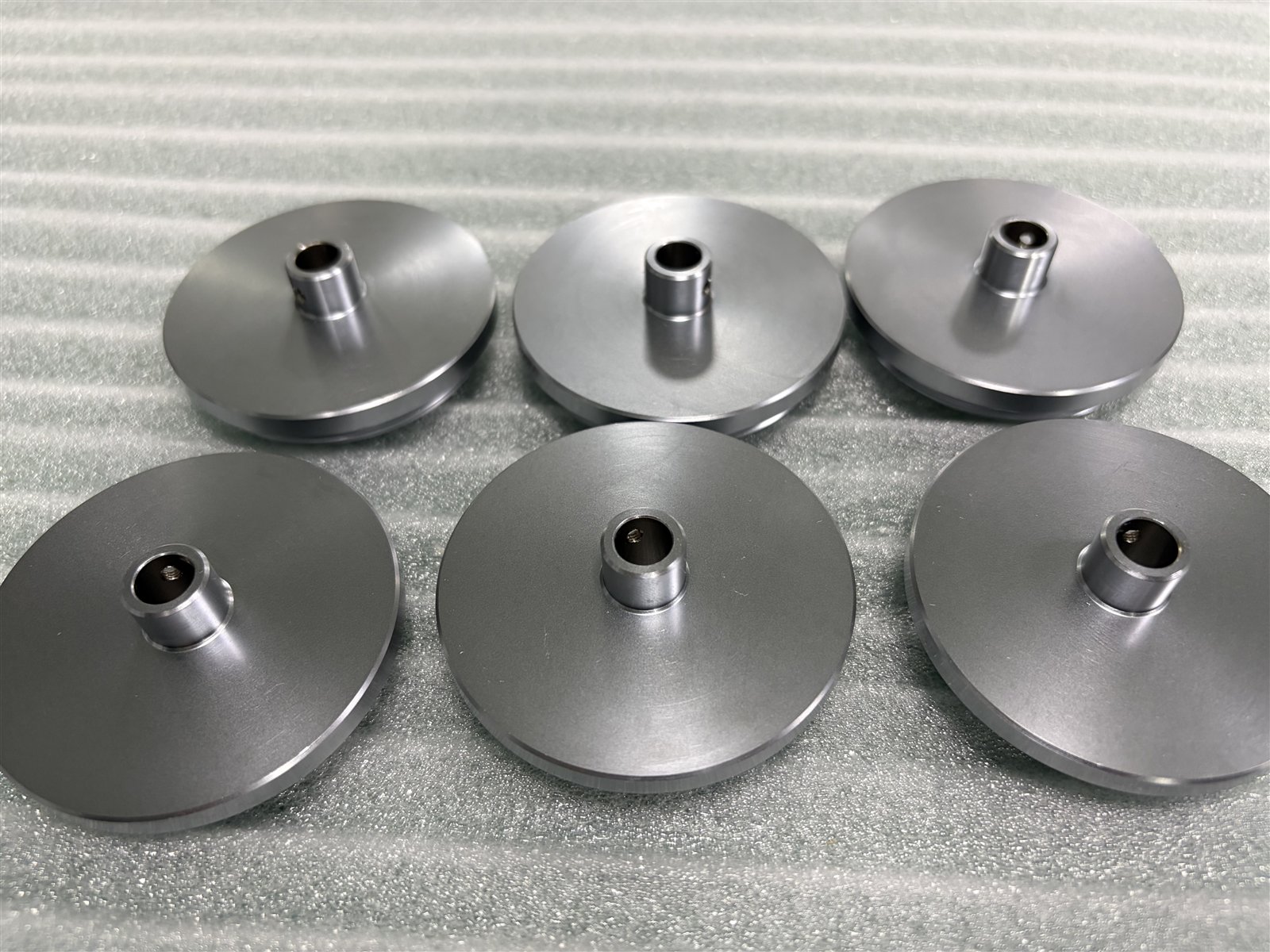
Machine the part in 6061 aluminium, then apply a chrome-plated finish that reproduces the stainless look. Aluminium cuts far faster and cheaper, weighs about a third as much (~2.7 g/cm³), and, once chrome-plated, resists corrosion in service. The finished part is visually indistinguishable from the 304 original.
Matching the finish, two kinds of chrome
Chrome plating is not a single appearance, so we offered two options. Decorative chrome is brighter and more silver, with a near-mirror shine. Functional chrome is a harder, wear-oriented plating; as plated it has a softer, lower-gloss grey that reads much like satin stainless steel. Because the customer's reference was 304 stainless, they selected functional chrome; decorative chrome remains available whenever a brighter, higher-shine finish is preferred.
| Chrome finish | Look | Reads like |
|---|---|---|
| Decorative chrome | Bright, silvery, near-mirror | Polished chrome trim |
| Functional chrome | Harder, wear-oriented, lower-gloss grey | Satin / brushed stainless |
Where the savings came from
| Source | Why the cost dropped |
|---|---|
| Machining | Aluminium cuts far faster than stainless, shorter cycle times and far less tool wear. |
| Material | Aluminium stock is cheaper per kilo than stainless, and the part uses about a third the mass, so raw-material cost falls on both counts. |
| Shipping | About one-third the weight: lower freight, and a larger saving on air shipments. |
Net result: unit cost fell from ~€120 to ~€40 per part, a reduction of about two-thirds, with the same appearance and corrosion-resistant chrome plating.